

Labor Day weekend last year, my wife's family drove up from Lubbock for a reunion at our place here in Albuquerque, and her father Ray rode along with them. Ray ran a competition rig outside Lubbock for almost twenty years before his knees gave out, and in the whole time I have known him he has never once said a kind word about a pellet grill. I had told him back in the spring that I was running a Traeger for my overnight cooks now, alongside my old kettle, and he laughed the exact way you laugh at somebody who just told you they traded a stick shift for an automatic. So when I put a rack of St. Louis ribs on the pellet grill that Saturday morning, I was not just cooking ribs. I was cooking in front of a jury.
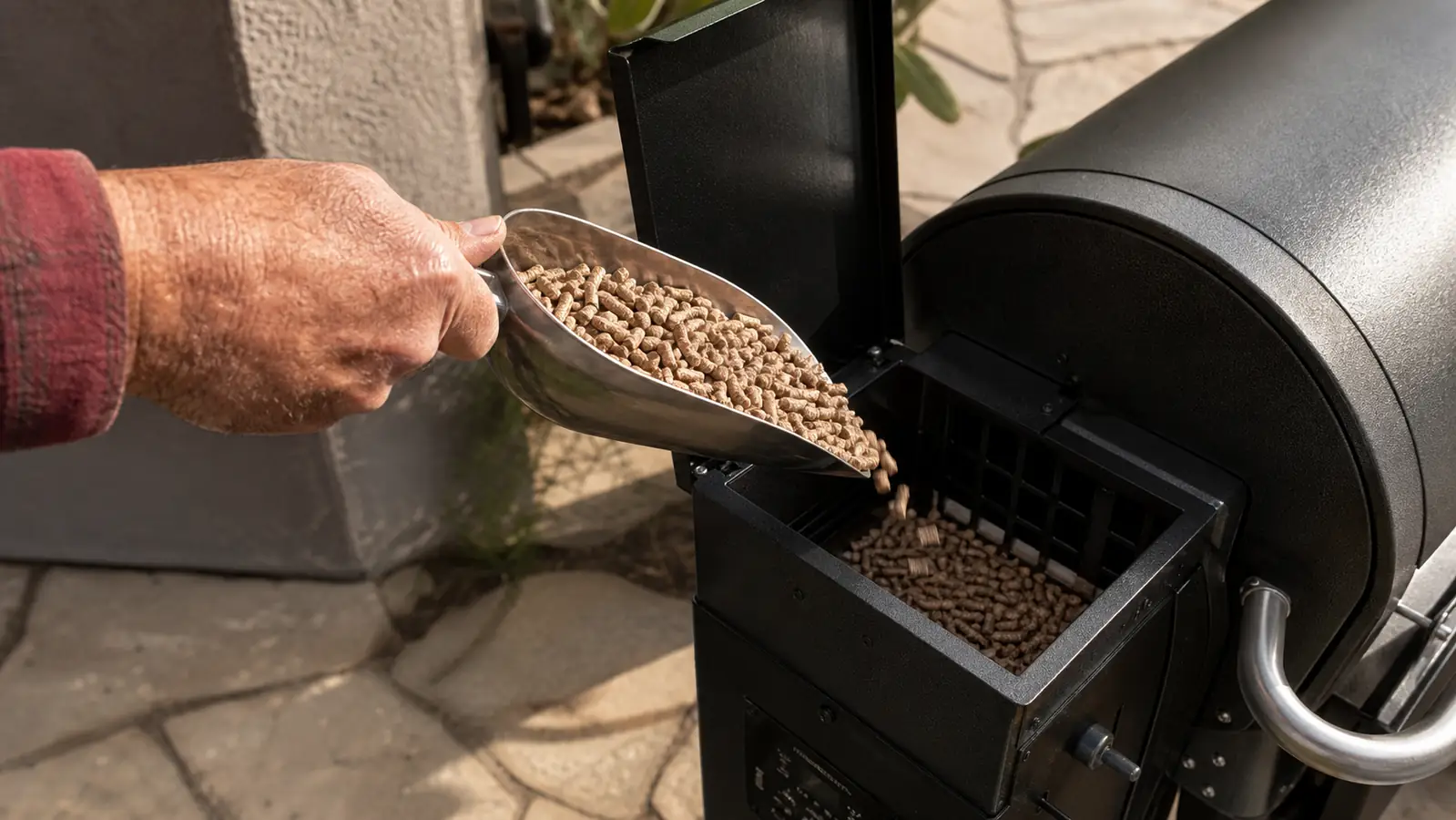
The bag I had on the shelf that morning was not the Traeger hickory I usually run. My regular bag was out that week, so I grabbed a generic hardwood blend from a big box store because it said hickory on the front and I figured a pellet is a pellet. Four hours into the cook at 225 degrees, the ribs looked the part, dark mahogany bark, a decent bend when I lifted the rack with tongs. But the smoke rolling off the chimney had an edge to it I did not care for, something closer to a doused campfire than the sweet, almost fruity smell I get on a clean day.
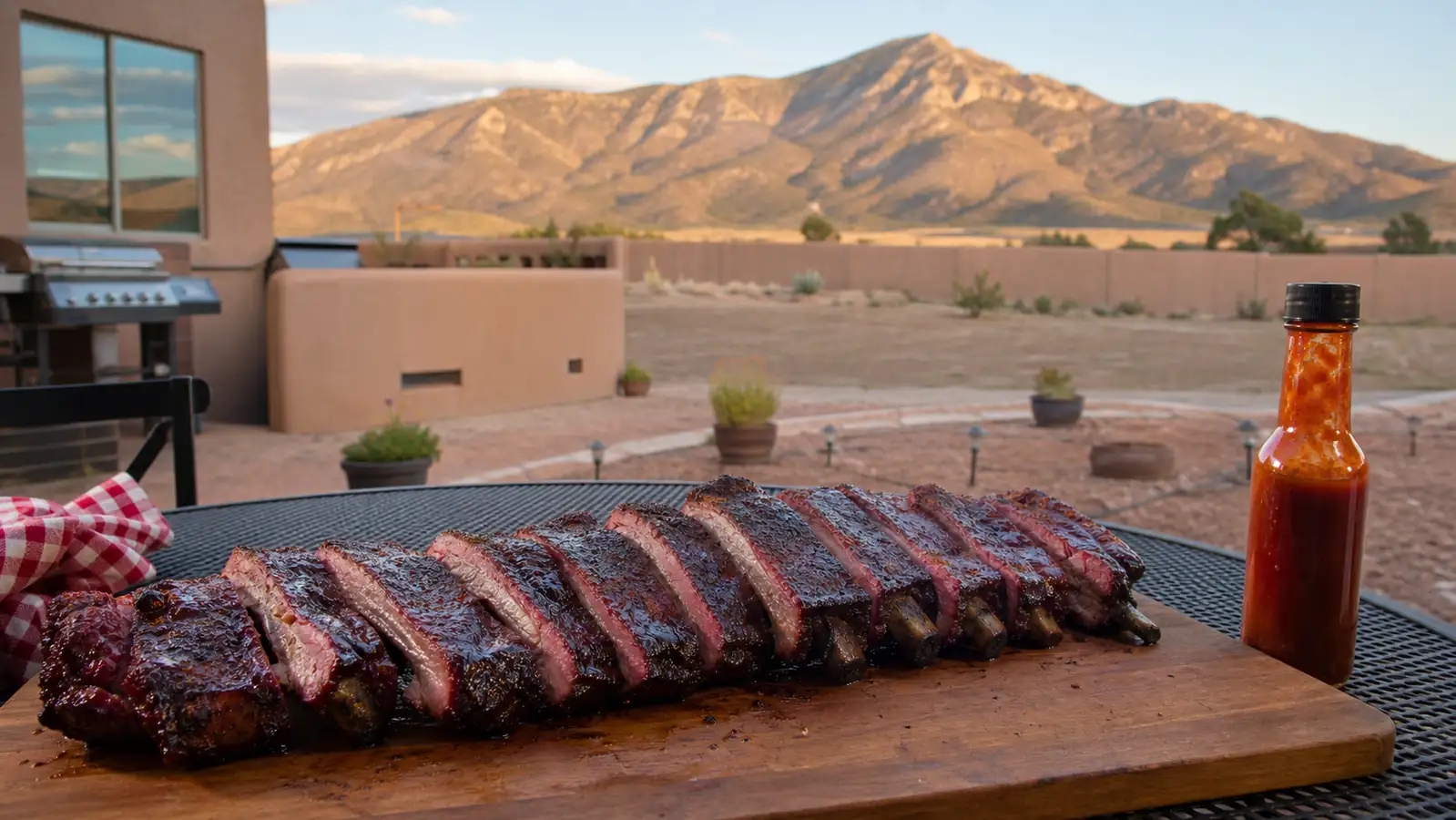
By the time I pulled them at hour five and a half, there was a faint black streak along the top edge of the bark, and the first bite off the rack tasted bitter under the rub, almost sooty at the back of the throat. Ray took one rib, chewed it slow the way he does when he is being polite, and passed on seconds. Nobody said anything ugly. Nobody had to. I have cooked enough ribs at 5,000 feet to know when a plate is not landing, and that one was not landing.
I spent the better part of that week assuming it was me. I pulled my temp logs and figured I had run the auger too low for too long, letting the fire smolder instead of burn clean, which is a real way to build up creosote and get that bitter edge. I checked the burn pot for ash buildup. I even second-guessed my rub, wondering if too much brown sugar had scorched. None of it added up cleanly, because I had run that exact same setup, same temp, same timing, dozens of times before without the problem.
It was my neighbor Hector, who smokes almost as much as I do, who finally asked me a question I had not bothered asking myself: what bag was it. I dug the leftover pellets out of the hopper and read the fine print on the bag I had tossed in the recycling. It was not 100 percent hardwood. It was a blend cut with filler pellets, the kind bulked out with binder and softwood sawdust to hit a lower price point. Cheaper pellets like that burn inconsistently, throw off more fines, and tend to smolder instead of combust clean, which is exactly the kind of thin, dirty smoke that leaves ribs tasting like the inside of a chimney flue instead of barbecue.
So the next weekend I drove out and bought an actual bag of Traeger hickory, the same 20 pound bag I had been running for a year before that Labor Day slip, and I cooked the same ribs the same way. Same rub, same 225 degrees, same five and a half hours, same rack size. The smoke coming off the chimney that morning was thin and blue instead of thick and gray, and it smelled sweet the way good barbecue smoke should smell standing six feet away from the cooker.
I had spent a whole week blaming my own hands for a problem that was sitting in the hopper the entire time.
The Bag Matters More Than the Rub
If your smoke has ever tasted bitter or sooty and you blamed your technique, check the bag before you blame yourself. Traeger's 100 percent hardwood hickory pellets burn clean at altitude and don't cut corners with filler.
Amazon Check Today's Price on Amazon →I invited Ray back out for a smaller weekday cook two weeks later, nothing fancy, just the two of us and a six pack while the ribs went. He stood next to the Traeger the whole five and a half hours the way he used to stand next to his stick burner back in Lubbock, watching the chimney the way you watch a fire you actually trust. When I pulled the rack and sliced into it, the smoke ring underneath the bark was a full quarter inch of pink, clean all the way through, no bitter edge anywhere on the cut.

Ray took a bite, chewed slower than he needed to, and finally said the pellet grill did all right. Coming from a man who ran a competition rig for two decades, that is about as close to a standing ovation as I have ever gotten in my backyard. He asked what pellets I was running, and I showed him the bag sitting by the hopper. He read the ingredient list, hickory and nothing else, and nodded like that settled something for him too.
What stuck with me after that week was not really about the ribs. It was how easy it is to blame yourself for a bad cook when the actual problem is something you never thought to check. I have twelve seasons on a kettle and a handful of years on the Traeger, and I still almost talked myself into believing my auger technique had gone bad overnight instead of just reading the bag in front of me.
What I'd Tell You If We Were Sitting at My Kitchen Table
If I had you out on my patio with a beer in hand, I would tell you this straight. Not every bag that says hickory is the same bag. Some are cut with filler and burn dirty no matter how good your cook is. I run Traeger hickory because I have put close to a dozen bags through my grill at 5,000 feet and it burns clean every single time, no bitter edge, no guessing whether the smoke is going to ruin an afternoon I planned around family. That is not a dramatic claim. It is just the difference between a rack of ribs that gets a nod from a man who fed a barbecue crew for twenty years, and one that gets passed over politely at the table.
Don't Let a Bad Bag Take the Blame Off the Shelf
A hardwood pellet with nothing else mixed in is a small thing to get right, and it changes every cook that follows. See today's price on Traeger's 100 percent hickory pellets and stock the hopper with something you don't have to second-guess.
Amazon Check Today's Price on Amazon →