
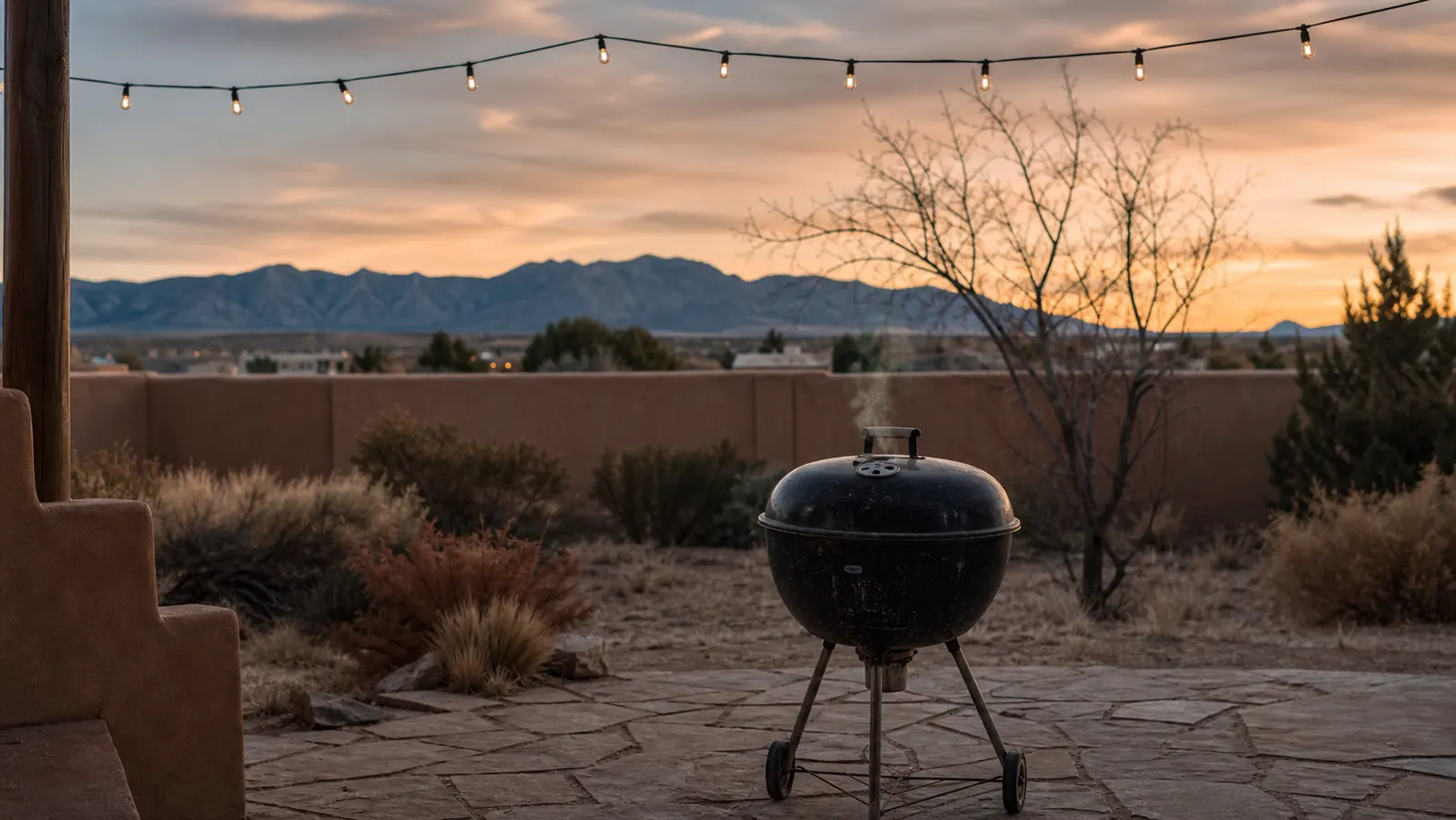
Every spring I get the same question from a neighbor eyeing a shiny new gas rig at the hardware store: is it time to retire the kettle. My answer hasn't changed in twelve years of cooking at 5,000 feet in Albuquerque, where thin air makes charcoal burn hotter and faster than it does back east. I still reach for my Weber Original Kettle more nights than not, and it isn't nostalgia. A well-built kettle grill does things a gas rig or a fancy pellet smoker just can't match, and after roughly 400 cooks on the same Weber, I've got a real list of reasons, not marketing lines.
This isn't a knock on gas or pellet grills. I own both. But when someone asks me what to buy first, before anything else, I point them at a kettle. Here are ten specific reasons why, using the Weber Original Kettle as the example because it's the one I've actually put twelve summers of high-desert cooking on.
Still Deciding Between a Kettle and Something With a Dial?
The Weber Original Kettle, 22-Inch, is the grill I'd point a new backyard cook toward before anything else. Simple, no electronics to fail, built to outlast the cheap stuff.
Amazon Check Today's Price on Amazon →The Sear You Can't Fake on Gas
Open both vents wide on a Weber kettle and you get a fire hotter than most gas grills will ever produce at the grate, especially up here where thin air lets charcoal catch fast. I've measured over 700 degrees at the surface with a good chimney of lump going. That's what turns a carne asada into something with real char instead of just gray grill marks. My gas grill tops out closer to 500 at the same spot, and you can taste the difference every time.
One Bowl Does Both Jobs
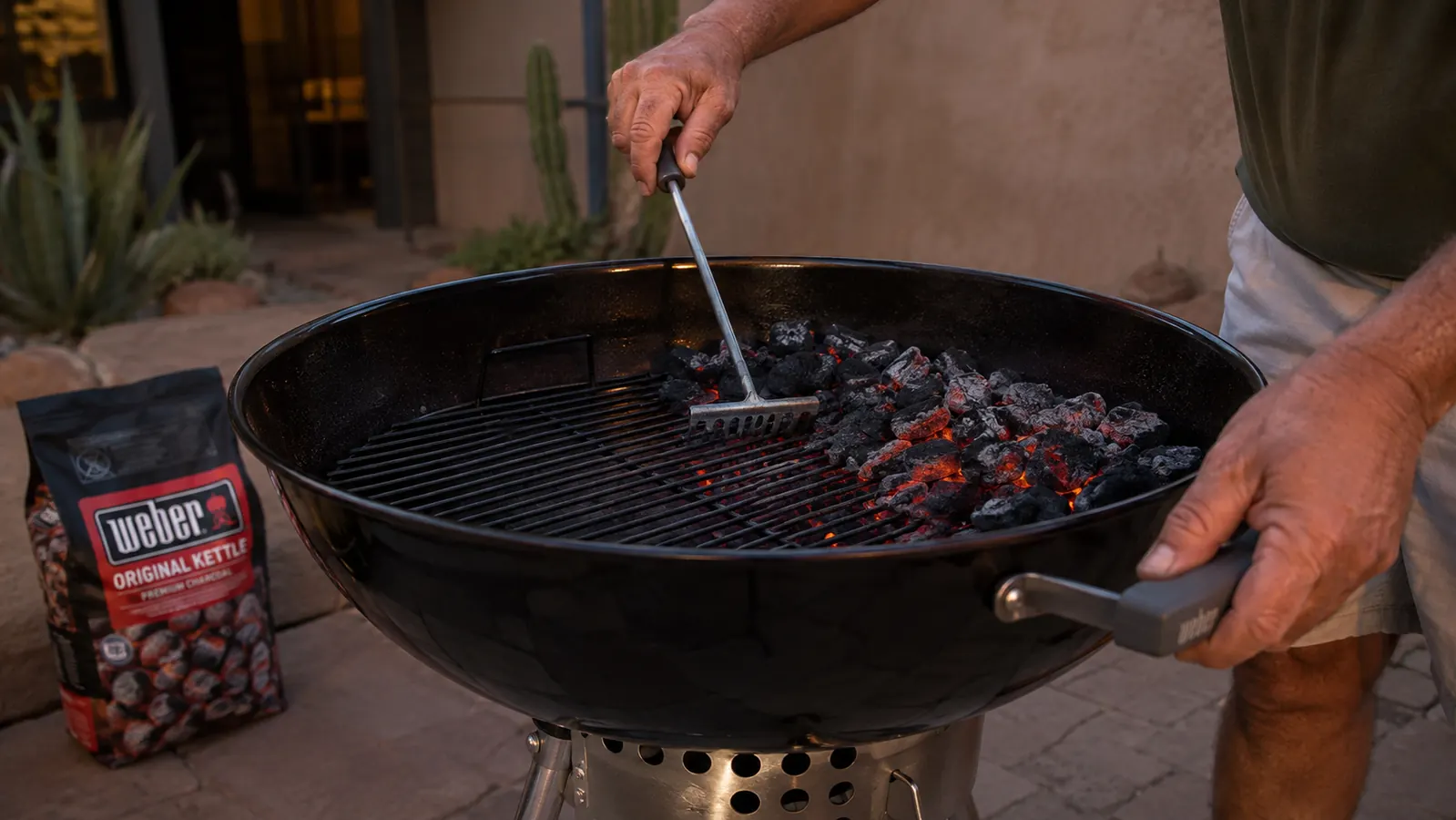
A kettle grill isn't just for burgers. Bank the coals to one side of the Weber and you've got an indirect zone for a low, slow brisket or a whole spatchcocked chicken, same as a smoker. Slide them back to center and it's a screaming hot searing station again. I run both cooks on the same 22-inch bowl most weekends, and I've never needed a second piece of equipment to get a slow cook and a fast sear out of one fire.
Almost Nothing Electronic to Fail
My Weber kettle has two metal vents and a lid. That's the whole control system. No wifi module, no fan motor, no circuit board that dies two years after the warranty runs out. I've had friends with electronic pellet smokers lose a whole cook to a dead controller mid-brisket. In twelve years my kettle has never once failed to light or hold heat because of a part I couldn't fix with a wire brush and a wrench.
It Actually Holds Up Outdoors
The porcelain-enameled bowl on my Weber has taken twelve summers of intense high-desert UV, more dust storms than I can count, and it still hasn't chipped, rusted, or flaked anywhere. I've watched cheaper painted kettles from other brands blister within two seasons in this sun. A gas grill's painted cart and burner tubes usually show rust by year three or four. My kettle still looks like a grill worth cooking on.
Cheaper to Keep Running, Year After Year
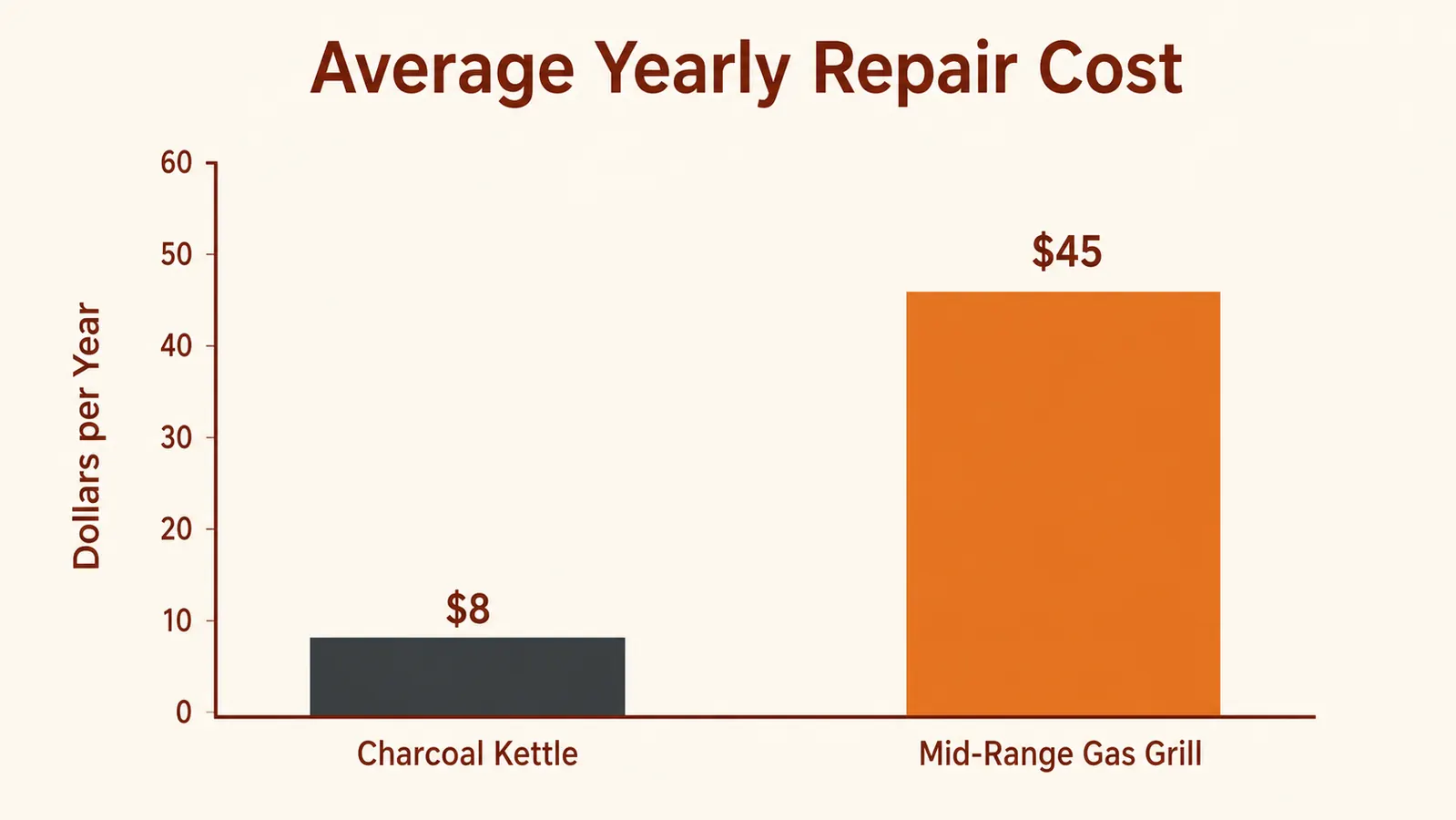
Charcoal costs more per cook than propane, I won't pretend otherwise. But the repair math flips the other way fast. My gas grill has needed a new igniter, a burner tube, and a regulator hose over the years, real parts and real labor. My Weber has needed one plastic clip on the ash sweep handle and a replacement ash catcher after a wind storm folded the original. Total repair cost over twelve years is minimal.
Amazon See the grill that doesn't nickel-and-dime you on parts →
It Teaches You to Actually Cook Fire
Working the vents on a kettle by hand, instead of trusting a digital dial, forces you to pay attention to wind, altitude, and how much charcoal you loaded. I had to relearn my vent settings entirely when I moved to Albuquerque, since thinner air here means less oxygen moving through the same vent opening. That learning curve made me a genuinely better cook. A set-it-and-forget-it grill never asks that of you.
It Doesn't Own Half Your Patio
The 22-inch Weber Original Kettle stores against the back wall of my house in a footprint smaller than a folded lawn chair. My gas grill, with its side burners and cart, eats up a corner of the patio permanently. If you're cooking on an apartment balcony or a small backyard, a kettle gives you real grilling without giving up the space to sit and eat next to it.
Real Smoke Flavor Without a Separate Smoker
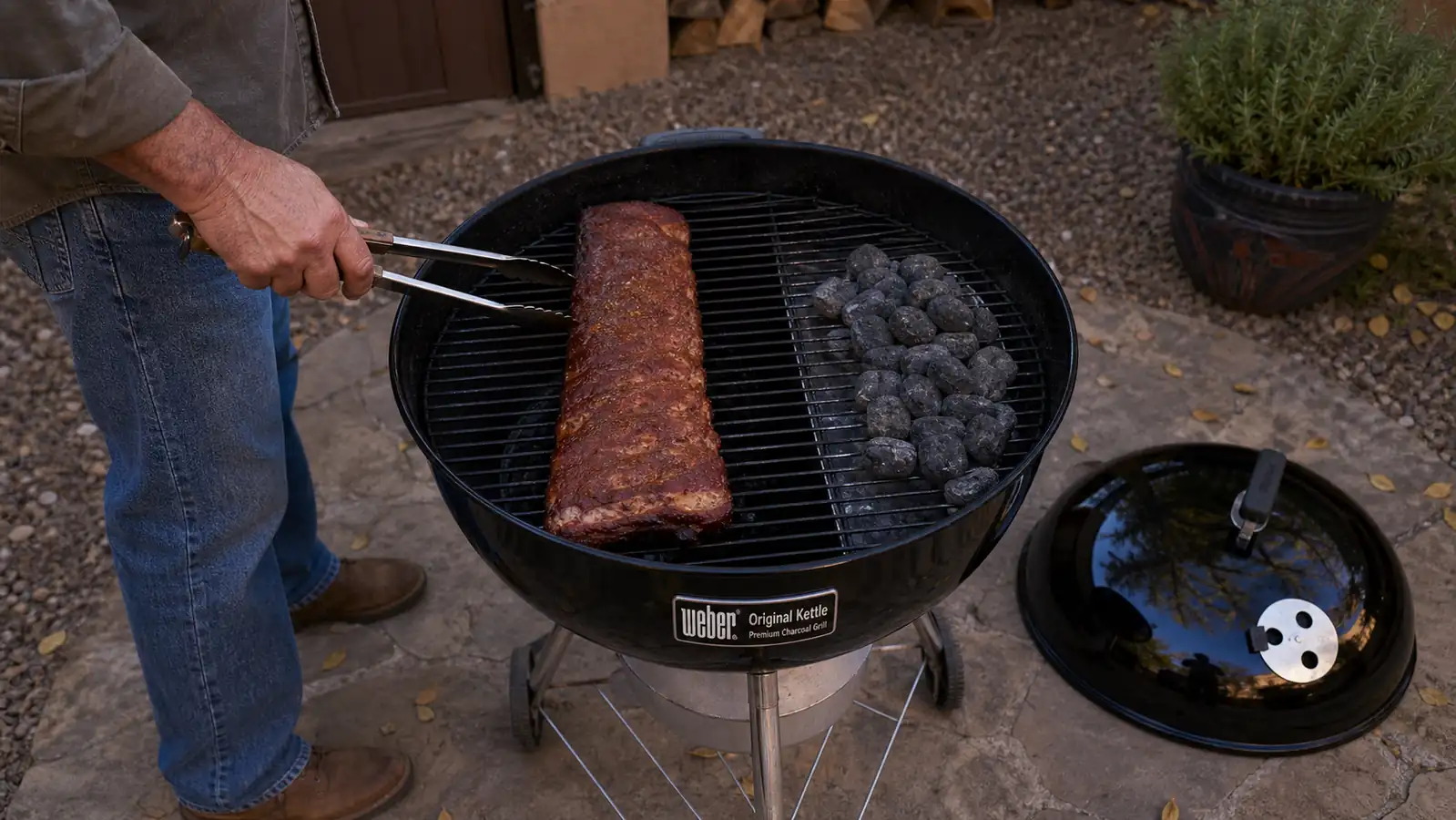
Toss a few chunks of mesquite or pecan on the coals in a kettle and you get honest wood smoke on a rack of ribs or a pork shoulder, no separate smoker box needed. I've run six and seven hour cooks on the Weber holding around 250 degrees using the snake method, and the bark and smoke ring come out close to what a dedicated offset smoker produces, at a fraction of the price and the counter space.
Parts Are Cheap and Easy to Find
When the plastic clip on my Weber's cleaning system cracked around year nine, a replacement part cost a few dollars straight from Weber and took ten minutes to swap. Try finding an affordable regulator or igniter kit for a ten-year-old gas grill and you'll spend more time hunting the right model number than actually fixing it. Kettle grills are simple enough that most owners can keep one running for a decade with basic tools.
It's Still the Grill I Reach for First
After twelve seasons owning a gas grill, a pellet smoker, and this same Weber kettle, the kettle is still the one I light most nights. Not because the others don't work, but because nothing else gives me that combination of real sear, real smoke, low repair cost, and dead-simple hardware in one grill. That's the honest reason kettle grills haven't gone anywhere, no matter how many new gadgets show up at the hardware store every spring.
What I'd Skip
I wouldn't bother with the bargain-bin kettles at the hardware store, the ones with thin painted steel bowls and plastic legs. A friend of mine bought one the same year I got my Weber, and his rusted through at the bottom seam by year three. I also wouldn't trust the built-in lid thermometer on any kettle, mine drifted about 25 degrees low by year eight, so budget for a separate probe thermometer from day one instead of leaning on the dial in the lid.
Twelve years and roughly 400 cooks in, the only thing that's ever failed outright on my kettle is a two-dollar plastic clip. Most grills with a plug don't get anywhere close to that kind of track record.
Ready to Stop Replacing a Grill Every Couple of Seasons?
The Weber Original Kettle, 22-Inch, is the same design that's held up through twelve New Mexico summers on my patio. If you want one grill that sears, smokes, and holds up, this is the one I still point people toward.
Amazon Check Today's Price on Amazon →